South Africa + Dubai · 17 December 2026 - 3 January 2027
Departure: 17 December 2026
Follow the places and stories along the way. This is our day-level plan, without private hotel or booking details.
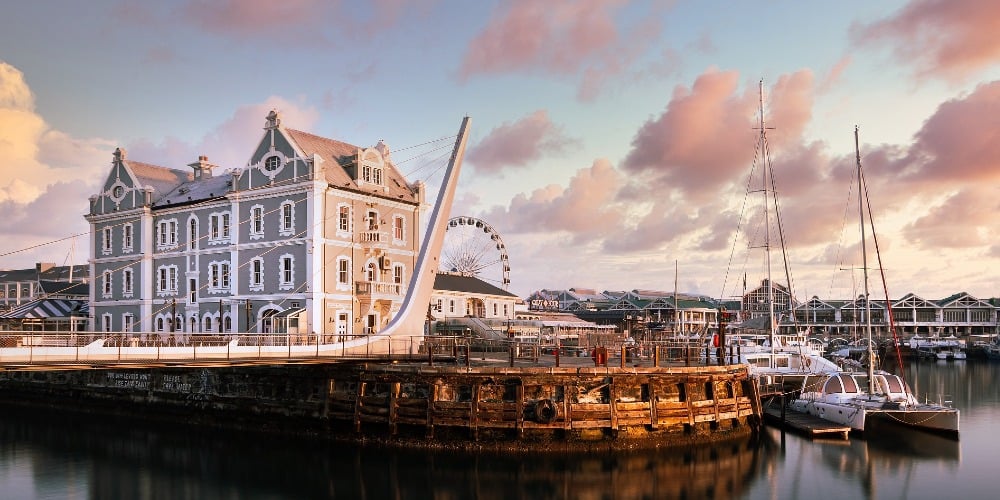
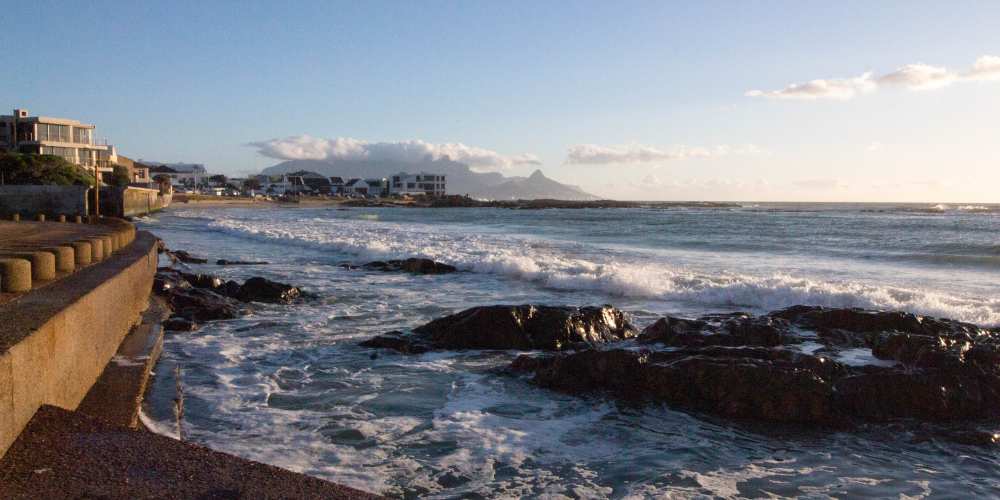
V&A Waterfront · Cape Town TourismBloubergstrand · Cape Town Tourism
Meet us along the way
Plans remain flexible. Activities and transport shown as planning are not bookings. Exact stops between Johannesburg and Durban are still being added.
Thursday · 2026-12-17
Cape Town · Cape Town arrival; cable car around 18:00 and V&A evening (example plan, not booked)
Friday · 2026-12-18
Cape Town · Explore / family memories - plans open
Saturday · 2026-12-19
Cape Town · Bloubergstrand move / coastal time (example plan, confirm date)
Sunday · 2026-12-20
Cape Town · Explore / family memories - plans open
Monday · 2026-12-21
Johannesburg to Durban · Cape Town to Johannesburg (flight not yet filed)
Tuesday · 2026-12-22
Johannesburg to Durban · Explore / family memories - plans open
Wednesday · 2026-12-23
Johannesburg to Durban · Explore / family memories - plans open
Thursday · 2026-12-24
Johannesburg to Durban · Explore / family memories - plans open
Friday · 2026-12-25
Johannesburg to Durban · Explore / family memories - plans open
Saturday · 2026-12-26
Johannesburg to Durban · Explore / family memories - plans open
Sunday · 2026-12-27
Johannesburg to Durban · Explore / family memories - plans open
Monday · 2026-12-28
Johannesburg to Durban · Explore / family memories - plans open
Tuesday · 2026-12-29
Johannesburg to Durban · Explore / family memories - plans open
Wednesday · 2026-12-30
South Africa / onward travel · Durban car return quote; onward flight details needed
Thursday · 2026-12-31
Dubai · Dubai New Year's Eve
Friday · 2027-01-01
Dubai · Dubai hotel transfer
Saturday · 2027-01-02
Dubai · Explore / family memories - plans open
Sunday · 2027-01-03
Dubai · Return journey (flight details needed)
Stories along the way
Swipe or use the buttons. Personal family memories will be added privately.
Cape Town: start with the mountain
Connor, start by looking up. Table Mountain gives Cape Town its shape, but the city's story is about people as much as scenery. Khoe communities lived in this region before European ships began stopping in Table Bay. In 1652, the Dutch East India Company established a supply station here for ships sailing around the Cape. Settlement and slavery followed, and the city grew through unequal encounters between different peoples. So as we explore, let's hold both things in view: the extraordinary setting, and the human history behind it. Your dad can add another layer that no guidebook has: the Cape Town he remembers. Ask him what feels familiar, and what has changed. That is where this trip becomes your family's story.
Look past the shops for a moment, Connor. The V and A Waterfront is still part of a working harbour. That is what makes it different from a waterfront built only for visitors: the boats and harbour buildings belong to a longer story. The Clock Tower was built in 1882 as the Port Captain's office. Nearby, the grain silo has found a new life as the Zeitz Museum of Contemporary Art Africa. And the Nelson Mandela Gateway connects the Waterfront with Robben Island. You can read this place as a series of changes: harbour work, stored grain, art, travel and memory, all sharing the same shore. Find one old feature and one new one. Then ask your dad which parts he remembers. We can keep those memories beside the history as we go.
Turn towards the bay, Connor. From Bloubergstrand, Table Mountain becomes the outline you see in so many pictures of Cape Town. You are looking back across the water, rather than up from the streets beneath it. Cape Town Tourism recommends this coastline for mountain views, especially around golden hour. But this stop does not need to be only a photograph. Take a moment to notice the sea, the mountain and the changing light. Then let your dad add his own map: the places he knew, the people who were here, and the memories that still attach to this coast. We will leave space in the trip journal for those details. The public story can tell us what we are seeing. The personal story can tell us why it matters to your family.
Johannesburg has a very different beginning from Cape Town, Connor. Gold discoveries in the late nineteenth century helped turn this place into a fast-growing mining city. Joburg Tourism describes that change from gold-rush town to a major centre of business and culture. When you travel through the city, think about how a discovery underground can reshape life above it: where people move, where work appears, and how neighbourhoods grow. That is an opening question, not the whole history. A family's route through Johannesburg will be more specific than a city overview. When your dad points out somewhere he lived or went to school, ask what an ordinary day there looked like. Those small details can make the past easier to imagine than a list of dates. We will add them to your private journal, not the public page.
When we reach Durban, Connor, remember that its history began long before it appeared in European records. Durban Tourism traces human life in the region back before later Nguni communities and European colonial settlement. In 1497, Vasco da Gama passed Durban Bay on Christmas Day and gave the coast the name Natal. But naming a place is not the same thing as beginning its history. That is a useful idea to carry along this route: every new arrival encounters people and stories already here. Durban's own tourism history also warns against squeezing a multicultural city's past into one tidy summary. So this is an introduction, not a final word. As we explore, let's ask whose story we are hearing, and whose might be missing. Then we can add your family's memories alongside it.
Dubai's skyline draws your eyes upward, Connor, but another part of its story begins beside the water. Dubai Creek is a natural inlet that separates Bur Dubai from Deira. UNESCO's tentative-list record describes its role as a harbour for fishing, pearl diving and trade. In 1833, members of the Bani Yas tribe, led by Sheikh Maktoum bin Buti, settled near the mouth of the Creek. Before the modern skyline, boats and trading connections helped shape the city. So if we visit the Creek, look for the relationship between water, work and neighbourhoods. Compare that with the city we see around us now. It is a good final theme for this trip: Cape Town, Durban and Dubai each have their own histories, but the sea keeps bringing people, goods and change to their shores.